

Wholesome Swedish Rye Bread (Limpa)
This post may contain affiliate links.



This wholesome Swedish Rye Bread, also known as Limpa, is filled with earthy rye, rich molasses, and notes of orange and spice. From breakfast treats to an elegant smörgåsbord, this festive loaf brings Scandinavian hygge to your table.
For other festive treats, try my whole wheat peanut butter cookies and my dark chocolate crockpot Christmas candy.

Recipe at a Glance: Swedish Rye Bread
| Prep Time ⏱️ | Rise Time 🍞 | Bake Time 🔥 | Total Time ⏰ |
|---|---|---|---|
| 1 hour | 2 hrs | 40 min | 3 hrs 40 mins |
🍽️ Servings: 12
👍 Difficulty: Medium
😋 Recipe Highlights: Festive spices, subtle sweetness, and the goodness of whole grains packed into a festive loaf perfect for celebrations or gifts.
🛒 Featured Ingredients: Whole grain rye flour, hard white wheat flour, orange juice, molasses, anise seeds, caraway seeds, fennel seeds
SUMMARIZE & SAVE THIS CONTENT ON
The night before I created this recipe, the northern lights danced across the sky at our Wisconsin farmstead. It felt serendipitous–after experiencing that, how could I *not* channel my Scandinavian roots in my next recipe?
This whole-grain Swedish rye bread has become a new favorite. It’s a perfect mix of earthy rye, rich molasses, and bright citrus with notes of spice that make every bite festive–whether slathered with butter for breakfast or topped with cheese for a light snack.
Even if you’re new to rye, don’t let the sticky dough intimidate you. Rye behaves differently than wheat, holding more moisture for a hearty, tender crumb-but with simple tweaks like keeping it moist and rising it warm, you’ll get light, flavorful loaves that rise beautifully.
This recipe was developed for fresh milled flour, but you can make it with store bought flours if desired. It pairs with so many things, such as smoked salmon filets, pellet grill prime rib, sharp cheeses, wintery kale salads, and fruity spreads.
It’s a wholesome, hearty bread that brings a Scandinavian touch to your table.
Jump to:
Why You’ll Love this Recipe
You’ll appreciate the warmth and old-world charm of this classic Scandinavian Limpa bread recipe, made with nutritious ingredients for a loaf that’s truly special. Each bite is flavored with earthy rye, a hint of molasses, and layered with notes of orange and fragrant spices.
Key Ingredients

Here are the important ingredients need to make Swedish rye bread. For a complete list, visit the recipe card.
Orange juice & Zest – Swedish rye bread (aka Limpa) is known for its orange flavor via the rind and occasionally the juice. To maximize the bright notes of orange, we use both!
Molasses – Molasses is classic in Swedish rye; it adds a robust sweetness and the dark color you expect from Limpa. It also adds trace minerals and a slight bitterness that keeps the bread from tasting too sweet.
Anise, Fennel, & Caraway Seeds – Use whole seeds, not ground. This trio is what makes Swedish rye smell like Christmas: anise and fennel give a sweet, slightly spicy flavor, while caraway adds a warm, unique taste common in Northern European breads.
Rye & Hard White Wheat Flours– Rye flour is the heart of Limpa, bringing a distinct earthy flavor and a more dense crumb than other styles of wheat bread. Thanks to its high fiber and mineral content, rye makes the bread feel hearty, while the blend with hard white wheat flour lightens up the texture for a soft loaf that’s easy to slice.
Ingredient Substitutions
Because these flavors are relatively traditional and baking results are sensitive to swaps, I recommend baking this bread as written.
However, if you need a flour swap, you can use hard red wheat instead of hard white wheat. I do not recommend using 100% rye or it will be very dense. If you want to lighten up the loaf, you can use regular bread flour instead of hard white wheat. Use the same quantity.
If you do not have one of the seeds–anise, fennel, or caraway– you can simply use what you have and omit what you don’t.
How to Make Swedish Rye Bread

1. Infuse Liquids with Spices.
In a small pot, bring the orange juice, milk, butter, molasses, anise, caraway, and fennel seeds to a low boil for 5 minutes. Cool for a few minutes.

2. Mix with Flours.
Weigh, measure, and/or mill your whole grain flours into a mixing bowl (this recipe works great with fresh milled flour). Add the slightly cooled liquid to the flours and mix to combine until no dry bits of flour are left. Let this mixture rest until the dough temperature is 110°F or lower, around 30 minutes.
Do not skip this rest, and test multiple spots of the dough to make sure there aren’t hot spots or you could kill your yeast.

3. Add Remaining Ingredients & Knead.
Sprinkle the yeast, salt, and orange zest on top of the dough and begin to knead for a few minutes until the dough is smooth and supple. Rye flour does not form gluten the same way wheat flour does, so typical methods for assessing gluten development don’t apply. Just get the dough ball smooth and formed.
You can knead by hand or with a mixer.

4. Rise.
Place dough in a warm place and let rise for 1 hour or until doubled.

5. Shape & Proof.
Punch the dough down and pour out onto a clean work surface. Lightly flatten the dough to form a rectangle shape. Roll the bread up like a jellyroll and pinch the ends closed, rolling the ends underneath if needed to smooth them out. Place the shaped loaf onto a baking sheet lined with parchment paper. Cover with a damp tea towel and let rise for 45 minutes or until puffy.

6. Bake.
Toward the end of the second rise, preheat the oven to 350°F. Bake the loaf for 40 minutes or until the internal temperature of the bread is at least 190°F when tested with a thermometer.
Expert Tip & Tricks for Baking with Rye
💥Use a kitchen scale to weigh ingredients for the best results.
💥To keep the bread from becoming too dense, make sure the dough is moist. Doughs with rye should be tacky, but manageable.
💥If you feel it is too dense as you’re kneading, you can add a little more milk, a tablespoon at a time. Rye does well at high hydration. However, do not let the dough become glue-like.
💥Put the dough in a warm place to rise. This, combined with a moist dough, will help prevent your bread from becoming too dense.
💥As the dough is rising, keep it covered with a damp tea towel. This will prevent the dough from drying out, resulting in a better rise.
💥Cool completely before slicing, at least 2 hours. Rye is prone to turning “gummy” if it was sliced before it was cooled. It needs that cooling period to firm up its structure.
💥Rye makes bread doughs more dense and sticky. It can seem odd if you aren’t used to baking with rye.
💥Rye is lower in gluten, so it will not develop gluten the way other bread doughs do. For that reason, do not over-knead. Knead the dough for only a few minutes–just to a point that it is smooth and supple.
Swedish Limpa Bread FAQs
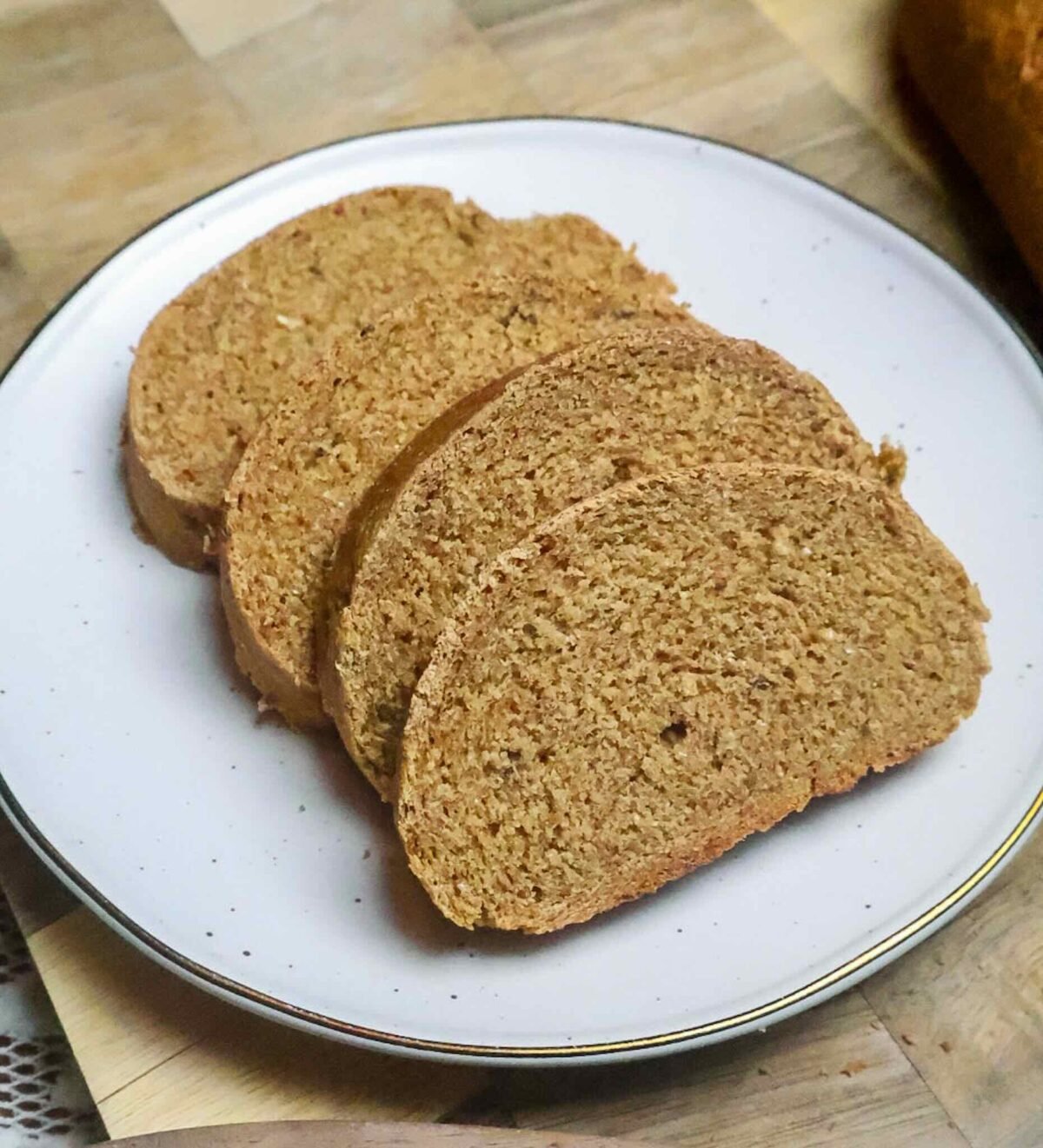
Swedish rye bread bread can come in many styles, but most commonly it refers to a type of bread called Limpa, which is a tender, slightly dense brown bread spiced with anise, caraway, and fennel. Limpa tends to be served at holidays like Christmas and Easter.
Another type of Swedish rye bread is called Kavring, which is similar to Limpa in many ways. It is also served around the holidays, but traditionally Kavring is made with sour milk and leavened with baking soda like a quick bread, whereas Limpa is leavened with yeast. Kavring is also associated more with southern Sweden, whereas Limpa is served across the country.
Rye is closely related to wheat, though it is a different species of grain. Both rye and wheat contain gluten and can be used to make breads & alcoholic beverages.
Rye contains many distinctive benefits over wheat, such as a lower level of gluten which is helpful for those with sensitivities. It is NOT gluten-free, though, so it is not safe for people with Celiac’s disease to consume.
Rye is higher in fiber than traditional wheat varieties, which makes it lower on the glycemic index. It is also higher in B vitamins, and vitamins E, A, & K. Rye also has high levels of potassium, However, wheat is higher in zinc.
All things considered, most would say rye has a slight edge to wheat when it comes to the nutrition details. However, whole wheat is also a healthy food.
My favorite way to eat Swedish rye bread is warm with a bit of butter! However, it also makes excellent turkey or ham sandwiches.
It’s also great to serve with slabs of sharp cheddar, smoked fish, or any of your favorite spreads.
Other Festive Breads


If you make this Swedish rye bread recipe, please come back to leave a comment and review! I love to hear from everyone who tries my recipes, and your feedback helps other people find this recipe, too.
📖 Recipe

Swedish Limpa Bread with Fresh Milled Flour
Ingredients
- 1 cup orange juice 8 ounces (240 grams)
- 1/2 cup milk 4 ounces (120 grams)
- 2 tablespoons butter 28 grams
- 1/4 cup molasses 70 grams
- 1 teaspoon anise seeds
- 1 teaspoon fennel seeds
- 1/2 teaspoon caraway seeds
- 1 cup whole grain rye flour 130 grams
- 2 1/3 cups whole white wheat flour 303 grams
- 2 teaspoons instant yeast 6 grams
- 1 teaspoon salt 6 grams
- 1 tablespoon orange zest 6 grams
Instructions
- In a small pot, bring the orange juice, milk, butter, molasses, anise, caraway, and fennel seeds to a low boil for 5 minutes. Cool for a few minutes.1 cup orange juice, 1/2 cup milk, 2 tablespoons butter, 1/4 cup molasses, 1 teaspoon anise seeds, 1/2 teaspoon caraway seeds, 1 teaspoon fennel seeds
- Weigh, measure, and/or mill your whole grain flours into a mixing bowl. (This recipe works great with fresh milled flour). Add the slightly cooled liquid to the flours and mix to combine until no dry bits of flour are left. Let this mixture rest until the dough temperature is 110°F or lower, around 30 minutes. Do not skip this rest, and test multiple spots of the dough to make sure there aren't hot spots.1 cup whole grain rye flour, 2 1/3 cups whole white wheat flour
- Sprinkle the yeast, salt, and orange zest on top of the dough and begin to knead for 3 to 5 minutes until the dough is smooth and supple. You can knead by hand or with a mixer.2 teaspoons instant yeast, 1 teaspoon salt, 1 tablespoon orange zest
- Place dough in a warm place and let rise for 1 hour or until doubled.
- Punch the dough down and pour out onto a clean work surface. Lightly flatten the dough to form a rectangle shape. Roll the bread up like a jellyroll and pinch the ends closed. Place the shaped loaf onto a baking sheet lined with parchment paper. Cover with a damp tea towel and let rise for 45 minutes or until puffy.
- Toward the end of the second rise, preheat the oven to 350°F. Bake the loaf for 40 minutes or until the internal temperature of the bread is at least 190°F when tested with a thermometer.
Notes
- Use a kitchen scale to weigh ingredients for best results.
- Rye makes bread doughs more dense and sticky. It can seem odd if you aren’t used to baking with rye. To keep the bread from becoming too dense, make sure the dough is moist.
- Doughs with rye should be tacky, but manageable. If you feel it is too dense as you’re kneading, you can add a little more milk a tablespoon at a time. Rye does well at a high hydration. However, do not let the dough become glue-like.
- Rye is lower in gluten, so it will not develop gluten the way other bread doughs do. For that reason, do not over knead. Knead the dough for only a few minutes–just to a point that it is smooth and supple.
- Put the dough in a warm place to rise. This, combined with a moist dough, will help prevent your bread from becoming too dense.
- As the dough is rising, keep it covered with a damp tea towel. This will prevent the dough from drying out, which will give you a better rise.
- Cool completely before slicing, at least 2 hours. Rye is prone to turning “gummy” if it was sliced before it was cooled. It needs that cooling period to firm up its structure.


We really love this bread around the holidays! It is so fragrant and flavorful. It goes well with sharp cheese and meats for a sweet/savory balance. Perfect for slicing and adding to a charcuterie board!